Some facts and figures
In today's modern society, it is common to use chemical pesticides to control insect pests. In fact, their use throughout the world has increased by 50% over the last 30 years, and 2.5 million tons of commercial pesticides are now applied annually. They are aggressively promoted by large companies and government groups making up a more than $35 billion a year industry. All is hunky dory, right? Guess again!
Site made by Jamie Haywood
Why Say No
There are over 7000
toxic chemicals used in pesticide products. Pesticides can be linked
to behaviour abnormalities , cancers , infertility asthma attacks,
skin rashes as well as chronic disorders like emphysema .A survey of
baby foods in 2000 showed detectable pesticide residues in nearly 50%
of foods sampled. 14% of foods tested showed residues of more than
one pesticide at levels 30x the proposed limit of 0.01mg per
kilogram. Is this the start in life we want for our children. The
European Union disclosed that pesticides/herbicides most commonly
found in foods lower the sperm count in men and cause girls to enter
the stage of puberty very early. They pose a great threat to pregnant
women as exposure can lead to behaviour disorders in the fetus.
Pesticides and herbicides weaken the immune system and the
brain.Pesticides greatly impact biodiversity Systemic insecticides
which poison pollen and nectar in the flowers of plants have the
potential to kill bees ‘ an essential part of the growing cycle.
Insects have become resistant to pesticides causing farmers to use
more spray than necessary. Animals may be poisoned by pesticide
residues that remain on food after spraying, for example when wild
animals enter sprayed fields or nearby areas shortly after spraying.
It is estimated that only 80% of ground applied pesticides reach
their targeted areas; the rest ends up in the air, water, or ground
that it wasn’t intended for. Pesticide dust in the air can travel
miles to pollute an area far from where it was used. Studies by
the UK government showed that pesticide concentrations exceeded those
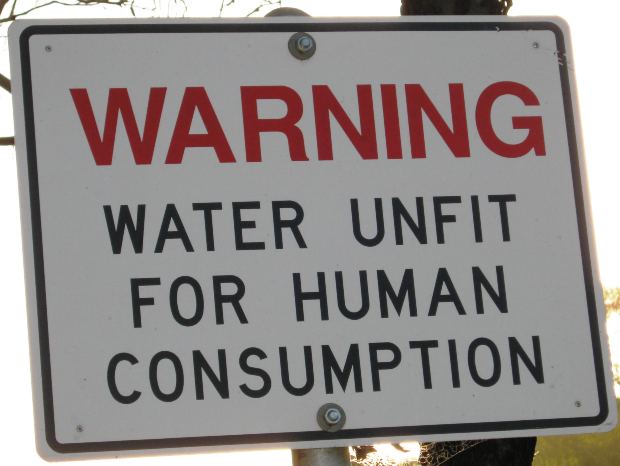
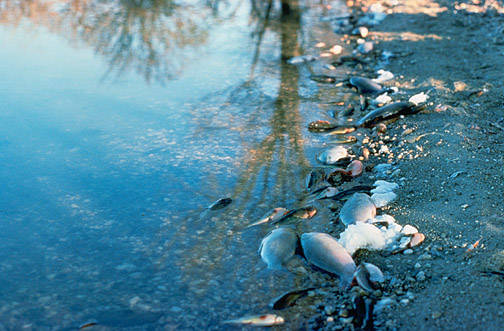
allowable for drinking water in some samples of river water and
groundwater. Many of the chemicals used in pesticides are persistent
soil contaminants , whose impact may endure for decades and adversely
affect soil conservation. Organocholrine insecticides include
chemical such as DDT, methoxychlor, heptachlor, chlordane, toxaphene,
aldrin, endrin, dieldrin, and lindane. Most of these insecticides
are neurotoxins. Organophosphates disrupt neurotransmitters,
particularly acetylcholine, which plays an important role in
sustaining attention and short-term memory.